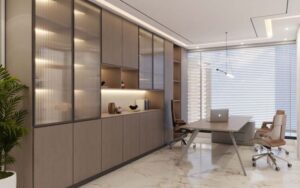
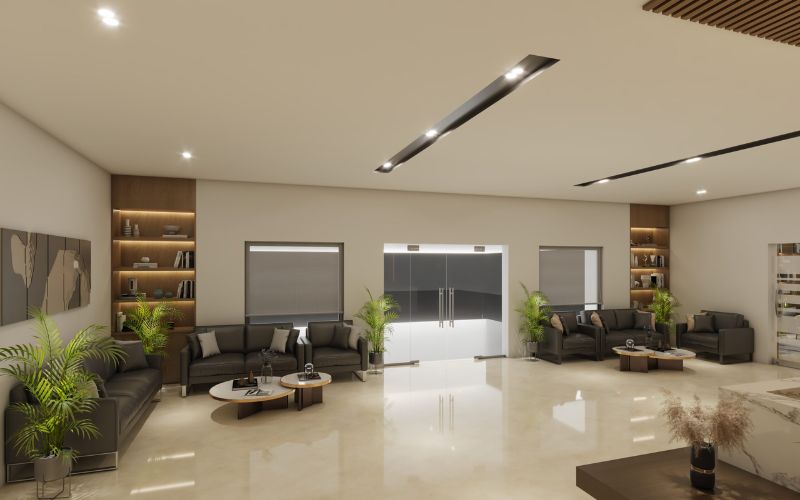
Looking to refresh your home or office without overspending? Low budget interior design is absolutely possible when you plan strategically, prioritize high-impact upgrades, and choose smart, professional-looking solutions. This guide is designed for busy, cost-conscious professionals who still want their spaces to look polished, functional, and modern.
Below, you’ll find practical, SEO-friendly tips that help you achieve a premium look on a realistic budget—especially if you’re searching for Best Interior Design in Lahore or hiring the Best Architects in Lahore to support your ideas.
1) Start With a Clear Goal (and a Real Budget)
Smart professionals don’t “decorate”—they plan. Before buying anything, define what you want to improve:
- More light or brightness?
- Better organization and storage?
- A modern, clean aesthetic?
- A new layout for comfort?
Then set a budget range and divide it into categories:
- Must-haves (60%): painting, essential furniture, lighting upgrades
- Value upgrades (30%): textiles, décor, mirrors, hardware
- Finishing touches (10%): wall art, styling, small décor
This approach helps you avoid impulse purchases that quickly drain your budget.
2) Paint First: The Cheapest “Renovation” With Maximum Impact
If you do only one thing, repainting is usually the best. A fresh coat of paint can instantly modernize a space without major renovation costs.
Budget-friendly professional color tips:
- Use neutral tones like warm white, beige, light gray
- Add one accent wall only if it fits your style
- Choose semi-matte or matte finishes for walls to hide imperfections
If you want to explore Best Interior Design in Lahore, local professionals often recommend color schemes that suit Lahore’s lighting and typical apartment layouts.
3) Upgrade Lighting for a High-End Look
Lighting is one of the fastest ways to improve how a room feels. Many professionals overlook it because it seems “secondary,” but it dramatically affects the mood and perceived quality.
Low-cost lighting upgrades that work:
- Replace outdated bulbs with warm or neutral LED bulbs
- Add table lamps in living rooms and bedrooms
- Use LED strip lighting behind shelves or under cabinets (subtle and classy)
- Choose simple, modern fixtures instead of expensive custom pieces
A well-lit room always looks more “designed,” even with a limited budget.
4) Use Mirrors to Make Rooms Look Bigger
If your space is small, mirrors are a lifesaver. They enhance natural light and create a sense of depth—giving the illusion of more space.
Simple mirror ideas:
- Large wall mirror in the hallway or living room
- Mirrored wardrobe doors (if you’re optimizing storage)
- Round mirrors for a modern aesthetic
This is a highly effective strategy used by many teams in Best Interior Design in Lahore projects—especially in urban homes and offices.
5) Prioritize Storage: Make Your Space Look Organized
A clean, organized space looks expensive. Investing in storage is often more valuable than buying extra décor.
Budget storage options:
- Use floating shelves to reduce clutter
- Add vertical shelving systems in corners
- Choose beds with built-in drawers
- Use stackable storage bins and labeled organizers
This is also where thoughtful planning helps if you work with the Best Architects in Lahore, because they can integrate practical storage solutions into the layout without heavy construction.
6) Choose Multi-Functional Furniture
When money is limited, furniture must work harder. Look for pieces that serve multiple purposes.
Examples of smart multi-functional furniture:
- Sofa cum bed for small apartments
- Coffee table with hidden storage
- Dining table that can expand
- Ottoman storage seats
- Wall-mounted desks for home offices
This is especially useful for professionals who need both comfort and efficiency in one space.
7) Focus on “Vertical Designs” to Optimize Layout and Style
One of the most underrated budget hacks for small spaces is using height instead of width. Vertical Designs create visual structure, improve storage, and give rooms a more intentional design.
Budget-friendly Vertical Designs ideas:
- Tall bookshelves instead of multiple small shelves
- Hanging planters or vertical herb racks
- Vertical wall panels or simple slat accents (affordable versions are available)
- Floor-to-ceiling curtains to draw the eye upward
- Wall-mounted décor (frames, minimal shelves, and artwork arranged vertically)
Why this works: It makes your room feel taller and more organized—two factors that instantly elevate the overall look.
If you’re searching for interior design help, Best Architects in Lahore often recommend vertical planning because it suits both small homes and office environments.
8) Use Textiles Strategically (Curtains, Rugs, and Cushion Covers)
Textiles bring comfort and style without requiring a full renovation. You can change the entire vibe of a room just by updating curtains, rugs, and cushions.
Low-budget textile upgrades:
- Choose curtains with higher panel height (hang near the ceiling)
- Add a rug that covers most of the seating area
- Use coordinated cushion covers (2–4 matching tones)
- Pick fabric textures that look premium (linen blends, textured weaves)
Even on a tight budget, these adjustments make spaces look “finished.”
9) Create a “Feature Wall” Instead of Remodeling Everything
Instead of redesigning every surface, focus on one statement area.
Affordable feature wall options:
- Wallpaper on one wall
- A geometric paint pattern (simple stencils)
- Wainscoting using budget-friendly panels
- A gallery wall with consistent frame colors
- Wooden slats or vinyl wall panels (carefully chosen)
A feature wall gives a professional designer feel without large construction costs.
10) Shop Smart: Buy Fewer Items—But Better Ones
A common budget mistake is purchasing many small, low-quality décor items. Instead:
- Buy fewer pieces
- Choose items with strong visual impact
- Prioritize quality over quantity
What to invest in (usually worth it):
- A good sofa or comfortable seating
- A strong dining chair set
- Lighting fixtures
- Quality rugs and curtains
- Durable storage pieces
This philosophy aligns well with services from Best Interior Design in Lahore, where professionals guide clients to spend where it matters most.
11) Use DIY Carefully (and Know When to Hire Help)
Some tasks are perfect DIY projects, while others should be handled by professionals to avoid costly mistakes.
DIY-friendly tasks:
- Painting (if you can prep properly)
- Hanging frames and shelves
- Styling décor and arranging furniture
- Installing curtain rods
Consider hiring help for:
- Electrical and major lighting changes
- Plumbing-related alterations
- Structural modifications
- Custom carpentry installation
Smart professionals hire expertise only where it protects their budget and ensures quality.
12) Get Professional Results With a Local Design Team
If you want the “wow” effect without guesswork, working with experienced local experts can save both time and money.
When searching, look for Best Interior Design in Lahore providers who:
- Offer clear budgeting and material guidance
- Provide layout suggestions for smaller spaces
- Focus on lighting, storage, and styling—not just furniture
- Can advise on Vertical Designs for efficient space planning
And if architectural modifications are needed, the Best Architects in Lahore can help you make smart structural decisions that improve function and long-term value.
Final Thoughts: Style on a Budget Is a Strategy, Not Luck
Low budget interior design doesn’t mean low-quality results. With the right priorities—paint, lighting, storage, vertical planning, and smart furniture choices—you can create a space that feels professional, modern, and comfortable.
Whether you’re updating your home or designing a work environment, start with a plan, use Vertical Designs to maximize space, and consider expert support when you want results without trial-and-error.
If you’d like, tell me:
- your room type (living room/bedroom/office),
- your approximate budget range, and
- your preferred style (modern, minimal, traditional, luxury),
and I’ll tailor a budget-friendly design plan for your space.
FAQs
1. How can I make my home office look professional without spending much?
Focus on lighting and clutter management. Swapping a standard bulb for a warm LED desk lamp creates an instant mood shift, while using hidden cable organizers and uniform storage boxes keeps the space looking sharp and intentional for video calls.
2. What is the most cost-effective way to change the look of a room?
A fresh coat of paint remains the most impactful budget tool. If you are renting or want a quicker fix, try peel-and-stick wallpaper on a single accent wall. It adds texture and personality without the permanent commitment or high price tag of traditional renovations.
3. Should I buy cheap furniture or save for high-end pieces?
The “smart” approach is a hybrid strategy. Invest in “touchpoints” like a high-quality ergonomic chair or a solid mattress, and save by purchasing secondary items—like side tables or shelving—from second-hand marketplaces or budget retailers.
4. How do I choose a color palette that looks expensive?
Stick to monochromatic or neutral tones (whites, greys, beiges) and layer them with different textures like linen, wood, or metal. A neutral base looks timeless and allows you to swap out small, colorful accessories like cushions or rugs as trends change.
5. Can greenery really improve my interior design?
Absolutely. Plants are “living art” that add color and vitality for a fraction of the cost of framed prints. If you lack a green thumb, high-quality silk plants provide the same aesthetic boost and professional atmosphere without the maintenance.