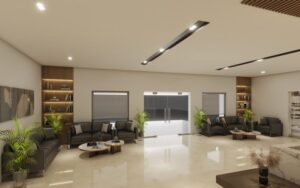
Whether you are stepping into a sleek corporate headquarters or a cozy, sun-drenched living room, the “feeling” of a space is curated by design. However, the discipline behind these two environments is vastly different. While both fields aim to improve the aesthetic and functional quality of an interior, residential and commercial interior design operate under different sets of rules, goals, and technical requirements.
For homeowners, business owners, and aspiring designers in 2026, understanding these differences is essential for a successful project. This guide breaks down the core distinctions—from the initial “vibe” to the strict legal codes that govern the space.
1. The Core Purpose: Intimacy vs. Utility
At its heart, the difference lies in the intent of the space.
-
Residential Design: This is all about the individual. The goal is to create a sanctuary that reflects the homeowner’s personality, history, and daily habits. It is deeply personal, focusing on comfort, family dynamics, and emotional well-being.
-
Commercial Design: This is about the “public” or the “customer.” The goal is to facilitate business objectives. Whether it’s increasing employee productivity in an office, maximizing table turnover in a restaurant, or encouraging “dwell time” in a retail store, commercial design is a strategic tool for profit and brand identity.
2. Scope of Projects and Specializations
Residential and commercial designers often operate in entirely different worlds regarding the types of buildings they touch.
Residential Specializations:
-
Single-family homes: Custom builds or renovations.
-
Multi-family units: Condos, apartments, and townhomes.
-
Niche spaces: Home theaters, wine cellars, or specialized “aging-in-place” designs for seniors.
Commercial Specializations:
-
Corporate: Offices, co-working spaces, and boardrooms.
-
Hospitality: Hotels, bars, and restaurants.
-
Healthcare: Clinics, hospitals, and dental offices (which require specialized knowledge of medical equipment and sanitation).
-
Retail: Malls, boutiques, and showrooms.
-
Institutional: Schools, libraries, and government buildings.
3. Technical Requirements and Building Codes
One of the most significant—and often invisible—differences is the level of regulation involved.
Residential Codes
In residential design, codes are primarily focused on basic safety: proper egress (exits), electrical safety, and ventilation. While a designer must follow local zoning laws, they generally have more creative freedom.
Commercial Codes (The Heavy Lifters)
Commercial spaces are subject to much stricter scrutiny. Designers must navigate:
-
ADA Compliance: Ensuring the space is fully accessible to people with disabilities.
-
Fire Safety: Specific requirements for sprinkler systems, fire-rated materials, and maximum occupancy limits.
-
Durability Standards: Commercial materials are tested for “high-traffic” use. For example, a sofa in a hotel lobby must be significantly more durable and flame-retardant than a sofa in your den.
4. The Design Process and Timeline
The way a project moves from concept to completion varies based on who is making the decisions.
Residential projects tend to be more emotional and flexible. The decision-maker is usually the homeowner. While this can lead to faster decisions, it can also lead to mid-project changes based on a change of heart. Timelines are often dictated by the family’s schedule (e.g., “We need the kitchen done by the holidays”).
Commercial projects are driven by a board of directors, a project manager, or a business owner. Decisions are based on data, ROI (Return on Investment), and brand guidelines. These projects often have rigid, non-negotiable timelines because every day a business is closed for renovation is a day of lost revenue.
5. Budgeting and Furniture, Fixtures, and Equipment (FF&E)
How money is spent is a major point of divergence.
| Feature | Residential Design | Commercial Design |
| Budget Driver | Personal taste and long-term value. | ROI and brand positioning. |
| Purchasing | Retail or “trade-only” boutique items. | Bulk purchasing and contract-grade furniture. |
| Material Priority | Comfort and aesthetics. | Durability, maintenance, and safety. |
| Life Cycle | Items often kept for decades. | Refreshed every 5–7 years to stay “on brand.” |
In a commercial setting, a designer might need to specify 50 identical desks that are ergonomic and have integrated wire management. In a residence, they might spend the same amount of time sourcing a single, antique hand-knotted rug.
6. Emerging Trends in 2026: The “Resmercial” Shift
Interestingly, the line between these two worlds is beginning to blur—a trend known as “Resmercial” design.
With the rise of permanent hybrid work models, many offices are being designed with “residential” touches—comfy sofas, warm lighting, and greenery—to make employees feel more at home. Conversely, residential design now frequently includes professional-grade home offices that mirror the technical capabilities of a commercial workspace.
7. Which One Do You Need?
If you are planning a project, choosing the right professional is key.
-
Choose a Residential Designer if you want someone to help you curate a private lifestyle, manage a home renovation, or select finishes for your dream house.
-
Choose a Commercial Designer if you are opening a business, need to navigate complex building permits, or require a space that can withstand hundreds of visitors a day while reinforcing your brand.
Conclusion
Residential design is about the individual’s story, while commercial design is about the user’s experience and the business’s success. While both require a keen eye for color, scale, and light, a commercial designer is as much a strategist and code expert as they are an artist.
By understanding these key differences, you can better prepare for your next project, ensuring that your space—whether it’s a bedroom or a boardroom—is not just beautiful, but perfectly suited for its purpose.
Planning a renovation? Always ensure your designer is familiar with the specific local codes for your building type to avoid costly delays and safety issues.
Frequently Asked Questions
1. Can a residential designer work on a commercial project?
While some designers do both, commercial projects often require specific licenses and knowledge of strict building codes, such as ADA accessibility and fire safety regulations. For a commercial space, it is usually safer to hire a designer with a commercial background to ensure legal compliance and durability.
2. What are the main differences in materials used?
Commercial materials must meet higher “contract-grade” standards for durability and fire resistance. For example, commercial carpet is rated for thousands of footfalls, whereas residential carpet prioritizes comfort. Commercial fabrics also undergo rigorous “rub tests” to ensure they won’t wear out in high-traffic public areas.
3. Why do commercial design projects usually have stricter timelines?
In the commercial world, time is literally money. A business cannot operate during a renovation, so every day of construction represents lost revenue. Residential projects are often more flexible, whereas commercial designers work with contractors and project managers to meet hard “grand opening” deadlines.
4. What is “Resmercial” design?
“Resmercial” is a growing trend in 2026 that blends residential aesthetics with commercial functionality. It is most common in modern offices where companies use cozy furniture, warm lighting, and home-like layouts to improve employee well-being and make the workplace feel more inviting.
5. How do budgeting goals differ between the two?
Residential budgeting is personal and focuses on the homeowner’s lifestyle and long-term enjoyment. Commercial budgeting is driven by Return on Investment (ROI). A business owner views design as a tool to attract customers, increase employee productivity, or strengthen brand identity, and they allocate funds accordingly.